
On Walking
As a toddler you learn to walk. Your first steps are applauded and the time, date and age are marked in the Baby’s First Book of Everything. If the number of months indicated in this book are low, this achievement is bragged about to anyone who may be nominally interested, as well as to those who clearly are not.
But soon, nobody pays much attention to how you successfully put one foot in front of the other. Walking becomes just a part of everyday life as you move through childhood and on to other firsts.
But then one day you realize that walking is so much more than getting from Point A to Point B. It is a form of exercise, a way to clear your head, a first exploration of a new city, an excuse to catch up with an old friend, or possibly a way to keep your dog from destroying your house.
But, then another day, later, you feel that something has shifted. Your cloths fit differently, you feel more tired, a stiffness has set in that you never noticed before. Why? You have your suspensions. You buy a watch. The number on the watch is even lower than expected. You see the word sedentary and your brain revolts! How and when did this happen? At what point in your life did you begin to walk less? You set goals, download an app, determined to move in the same way as you did in your twenties.
The ah-ha moment has come to tell you that walking has always been and always will be crucial to your physical and mental well-being. It matters more than you ever thought.
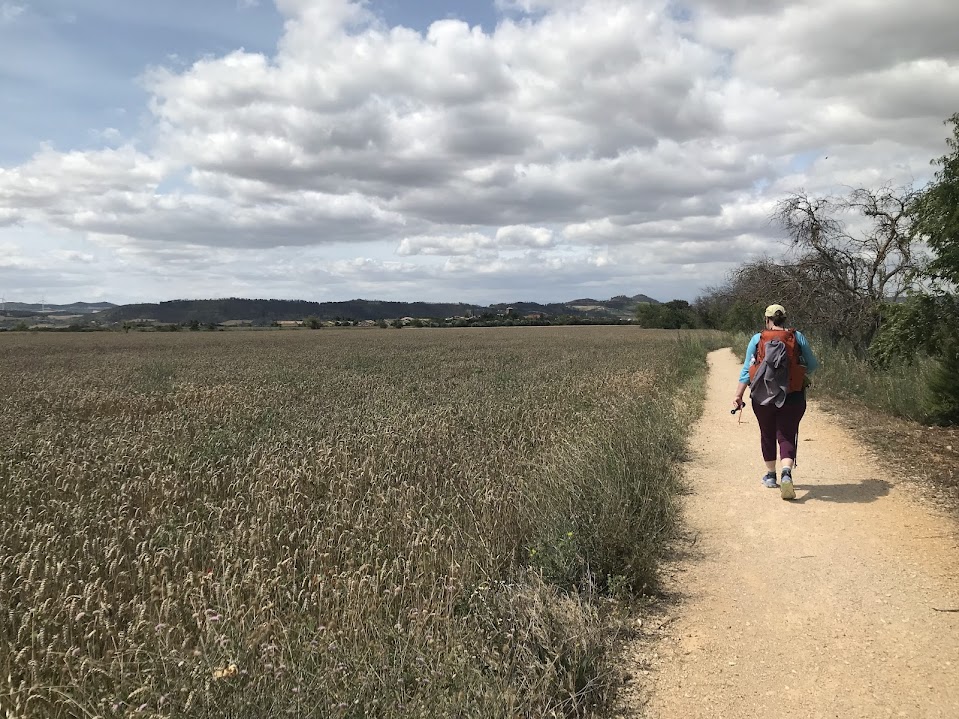
And then another day, a bit later, you decide to write a series of stories/essays about walking.
 Leanna Fugate